- Daily Industry Report
- Posts
- Daily Industry Report - April 9
Daily Industry Report - April 9


Jake Velie & Robert Shestack
April 09, 2026

Your summary of the Voluntary and Healthcare Industry’s most relevant and breaking news; brought to you by the Health & Voluntary Benefits Association®
 Jake Velie, CPT |  Robert S. Shestack, CCSS, CVBS, CFF |
New COO brings senior and benefits industry expertise to NIH’s leadership team
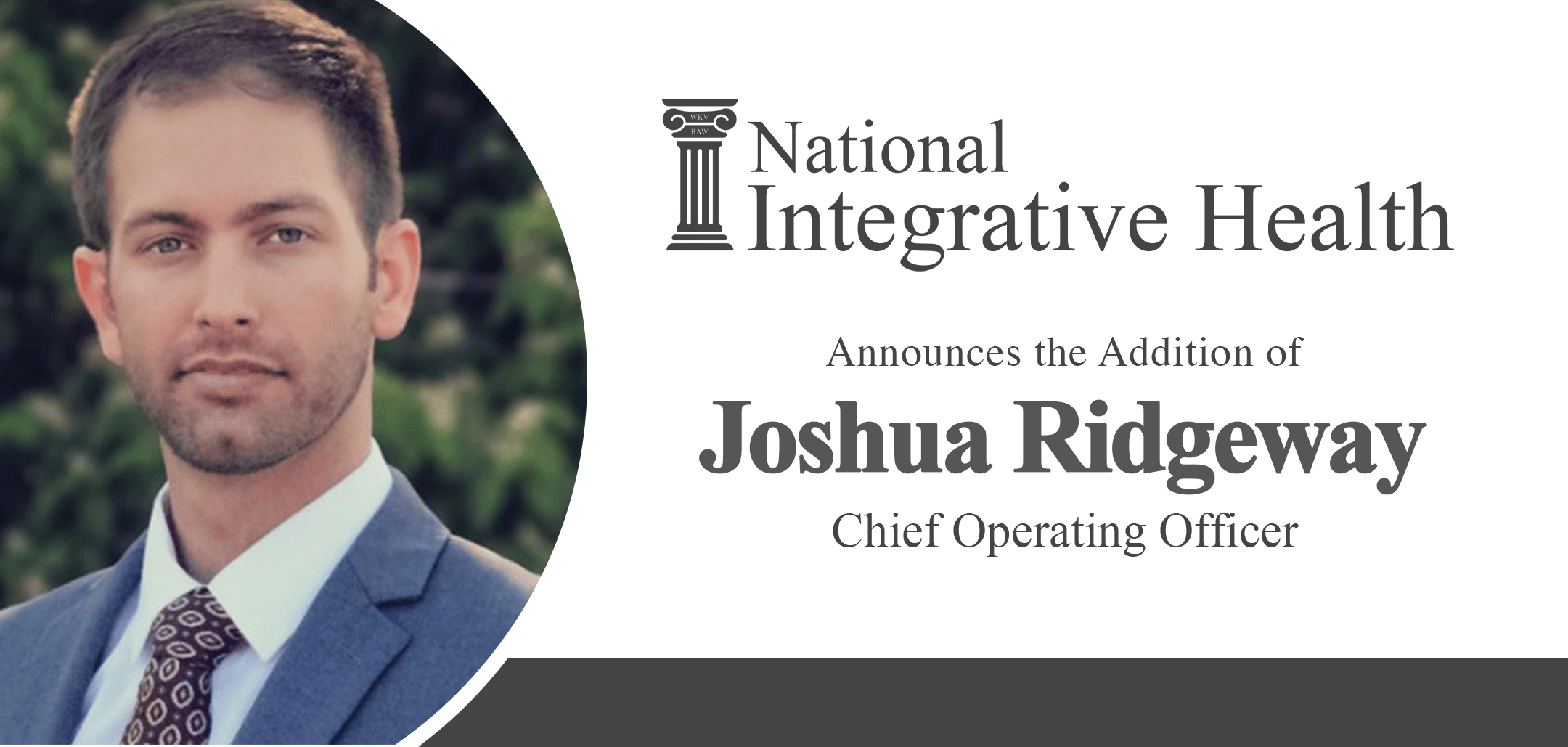
By National Integrated Health (NIH) – NIH is a fast growing consulting firm specializing in healthcare design, data, pharmacy, and analytics, helping employers better manage healthcare costs while improving care quality and access to personalized services for their employees. NIH has named Joshua Ridgeway as its Chief Operating Officer. Prior to joining NIH, Mr. Ridgeway was Co-Founder and Chief Operating Officer for Rx-Precision, a genetics-based healthcare company pioneering one of the first Genetic Benefit Management platforms with groundbreaking innovation bringing personalized medicine into the self-insured space. Mr. Ridgeway was Founder & Managing Partner of National Health Advisors, leading a team dedicated to helping employers design self-insured health plans that lower costs, strengthen retention, and simplify benefit management. Read Full Article...
HVBA Article Summary
NIH Announces Leadership Updates to Support Growth: National Integrative Health (NIH) has announced leadership changes as the company continues expanding its healthcare solutions and market presence. Robert S. Shestack has been promoted to Chief Enterprise Actuary while continuing to serve as President. The leadership update is intended to strengthen the organization’s operational strategy and support its continued growth in health plan management.
Executive Appointment to Lead Strategic Operations: Josh Ridgeway has joined NIH’s executive team and will oversee strategic operations and operational growth efforts within the healthcare market. He brings more than 15 years of leadership experience in the healthcare sector, including roles at Northwestern Mutual, Rx-Precision, and National Health Advisors. Ridgeway holds a degree in Communications and Business from Florida State University and will focus on building partnerships and supporting the company’s long-term strategic initiatives.
Expanded Focus on Data Analytics and Client Support: The leadership changes also emphasize strengthening NIH’s actuarial analytics capabilities. In his expanded role, Shestack will lead the actuarial analytics division to provide clients, brokers, and stop-loss carriers with data to support decision-making and manage healthcare costs. NIH, founded in 2013, provides integrated healthcare strategies, clinical consulting, and data solutions designed to help employers and partners manage healthcare spending and improve program outcomes.
HVBA Poll Question - Please share your insightsNow that healthcare price transparency data is publicly available, what is the biggest opportunity for brokers and employers? |
Our last poll results are in!
26.68%
Of the Daily Industry Report readers who participated in our last polling question, when asked “What increase in voluntary benefit plan participation would compel you to advocate for a new digital tool?”, responded with a “50% to 75% increase.”
25.04% of respondents reported a “75%+ increase,” and 22.09% responded with a “25% to 50% increase.” In summary, 74% of respondents would advocate for a new tool to increase voluntary benefit plan participation, compared to 26% of respondents who are comfortable with current participation. Thank you to SAVVI Financial for powering this polling question.
Have a poll question you’d like to suggest? Let us know!
By Allison Bell – Many state lawmakers and regulators want to set new rules for the pharmacy benefit managers, health plan provider networks, dental plans and even vision plans that serve self-insured employer health plans. A provision in the Employee Retirement Income Security Act that "preempts," or pushes aside, state efforts to regulate employee benefit plans blocks those state regulatory efforts. Now, a team of state regulators has drafted a guide to help colleagues understand the latest developments in the interaction between the ERISA preemption provision and state efforts to regulate PBMs and other benefits sector players. Read Full Article... (Subscription required)
HVBA Article Summary
ERISA Preemption Draft Released by NAIC Working Group: The National Association of Insurance Commissioners’ Employee Retirement Income Security Act (ERISA) and Alternative Health Coverage Working Group has released a draft paper examining ERISA preemption issues related to state regulation of pharmacy benefit managers (PBMs). The document explains that regulators must determine whether a state rule is a general regulation of the pharmaceutical industry or whether it interferes with employer health plans governed by federal law. The draft provides insight into how state insurance regulators are analyzing the limits of their authority when PBMs serve self-insured employer plans.
Legal Uncertainty Complicates State Regulatory Decisions: The draft notes that determining whether a state law “relates to” ERISA plans is difficult because many relevant court cases remain unresolved or complex. Regulators say this uncertainty makes it challenging to assess when state PBM regulations cross into federally protected employer benefit plan territory. Because the legal standards are still evolving, the working group developed a separate guidance draft rather than including the topic in the NAIC’s ERISA Handbook, which focuses on settled law.
Recent Court Cases Continue to Shape ERISA Preemption Boundaries: The legal debate follows a 2020 Supreme Court decision in Rutledge v. Pharmaceutical Care Management Association, which indicated that states may regulate PBMs if the rules affect general business practices and do not directly target employer health plans. However, more recent rulings have complicated how broadly that decision can be applied. For example, the 10th U.S. Circuit Court of Appeals blocked Oklahoma regulators from applying a state PBM law to companies working with ERISA plans, and the Supreme Court declined to review the case in 2025, leaving the ruling in place.

Exclusive: AbbVie sues to narrow drug discount patient definition
By Maya Goldman – Humira and Botox maker AbbVie is suing the Trump administration to get a clearer definition of who counts as an eligible patient in the government's discount drug program. Why it matters: While it might seem like an arcane debate, drugmakers say an overly broad definition allows hospitals and other providers to bilk them for more discounted medications than they're due. Read Full Article...
HVBA Article Summary
AbbVie Challenges 340B Patient Definition in Federal Lawsuit: AbbVie has filed a lawsuit in the U.S. District Court for the District of Columbia arguing that the current definition of a patient under the federal 340B drug discount program is too broad. The Health Resources and Services Administration’s guidance requires only that a patient have an “established relationship” with a provider, which AbbVie claims can include individuals who had only limited or outdated contact with the provider. The company argues that this interpretation does not align with the original intent of Congress when establishing the program.
AbbVie Proposes Narrower Eligibility Criteria for Discounts: In its complaint, AbbVie suggests that 340B eligibility should apply only when a prescription is directly tied to care received from the provider within the previous 12 months. The company also argues that the provider claiming the discount should be actively managing the patient’s condition related to the prescribed medication. AbbVie says the change would help address what it views as misuse or overexpansion of the program.
Legal and Policy Disputes Continue Around the 340B Program: The lawsuit comes amid ongoing legal and policy debates between pharmaceutical companies, healthcare providers, and lawmakers over how the 340B program should operate. Safety-net providers maintain that the program is critical for supporting care for underserved populations. At the same time, policymakers in Congress have introduced legislation that would establish a formal statutory definition of a 340B patient as part of broader program reforms.

Digital health startups raked in $4B during Q1 with 12 megadeals driving investment: Rock Health
By Heather Landi – Digital health startups pocketed $4 billion in venture capital funding in the first quarter of 2026, $1 billion higher than the same quarter last year and marking the strongest first quarter since the pandemic peak. In Q1 2025, digital health companies had raised $3 billion across 122 deals compared to 110 deals this year. Average deal size climbed to $36.7 million, the highest average Rock Health has tracked in a single quarter since Q4 2021, according to the company's Q1 digital health funding recap report. Building on trends from last year, capital is concentrating among a small number of megadeals as venture capital investors place their bets on artificial intelligence-enabled startups. Read Full Article...
HVBA Article Summary
Concentration of Capital in Megadeals: The majority of venture capital funding in Q1 2026 was funneled into a small group of companies, with just 12 startups accounting for 59% of the total quarterly investment. These megadeals, each valued at $100 million or more, indicate that investors are increasingly focusing on established or rapidly scaling digital health firms. This trend suggests a more selective funding environment where only a handful of companies are able to secure large sums.
Artificial Intelligence as a Key Driver: Artificial intelligence has become a central focus for both investors and startups in the digital health sector. Companies that are integrating AI into complex healthcare workflows or launching AI-native consumer platforms are attracting significant attention and capital. The report highlights that AI is now considered a baseline expectation for new digital health ventures, shaping the direction of innovation and investment.
Policy and Market Dynamics Supporting Growth: Several policy developments, such as extended telehealth flexibilities and clearer FDA guidance on wellness products, are providing tailwinds for digital health companies. Direct-to-consumer models are expanding, supported by increased advertising and new distribution channels. Despite the active investment landscape, the exit market remains challenging, with a narrow IPO window and a mixed outlook for mergers and acquisitions.
Supplemental medical products lead the way in voluntary market growth
By Danielle Lehman – Nontraditional and value-added products and services are generating a lot of buzz in the voluntary benefits marketplace, while the traditional mainstays of life and disability continue to capture the lion's share of sales. But if the industry were a horse race, you'd see supplemental medical products including hospital indemnity, critical illness and accident coming up fast on the inside rail. If you're like most brokers, these products are no strangers to you. Critical illness and accident plans are among the top three voluntary products brokers sell and hospital indemnity also is in the top five for voluntary brokers, according to our most recent "Voluntary Hospital Indemnity and Supplemental Medical Products" Spotlight™ report. Sales of these products combined are up 29% since 2021 — and in 2024 they accounted for 38% of all voluntary benefit sales. Read Full Article... (Subscription required)
HVBA Article Summary
Rising Employer and Employee Adoption: A significant portion of U.S. employers now offer hospital indemnity and supplemental medical plans, with about half providing these on a fully voluntary, employee-paid basis. Employee ownership of these products is also growing, with 28% of surveyed employees reporting they have such coverage. There is notable interest among employees who do not yet own these products, with nearly a third expressing willingness to purchase them even if they must pay the full cost.
Carrier Competition and Product Evolution: The number of insurance carriers offering supplemental medical products continues to rise, and these products are now more commonly included in carrier portfolios than some traditional voluntary offerings. Carriers are actively updating and differentiating their products, often by expanding benefits, increasing coverage amounts, and adjusting rates to remain competitive. New trends include the addition of benefits for mental health, substance abuse, and family-building, reflecting evolving market demands.
Supplemental Products Address Coverage Gaps: Supplemental medical products are increasingly seen as essential rather than optional, helping employees manage out-of-pocket costs that major medical insurance may not fully cover. These products, such as accident, critical illness, and hospital indemnity insurance, are positioned to play a growing role in financial protection for employees facing unexpected health events. The evolution of these offerings demonstrates their importance in the broader benefits landscape, especially as high-deductible health plans become more common.

Eli Lilly's latest acquisition could preview another booming market
By Max Bayer – Eli Lilly may not have discovered orexins, but the pharma’s latest acquisition marks increasing momentum for a drug class that’s maturing after years of fine-tuning. The big question on the minds of Wall Street is whether orexins’ potential is fully known. Lilly announced last week that it was buying Centessa Pharmaceuticals for $6.3 billion upfront, its largest acquisition since it bought Loxo Oncology in 2019, should the deal close. The move gives Lilly access to a pipeline of orexin receptor 2 agonists, primarily in development to treat sleep disorders like narcolepsy. Read Full Article... (Subscription required)
HVBA Article Summary
Lilly’s Acquisition Signals Broader Orexin Drug Potential: Analysts suggest Eli Lilly’s purchase of orexin-related assets may indicate plans to expand research beyond narcolepsy into areas such as fatigue and cognitive focus. The size of Lilly’s investment implies confidence that orexin-based drugs could have broader neurological or performance-related applications. Expanded clinical development could test these drugs across multiple conditions rather than limiting them to sleep disorders.
Competitive Landscape in the Orexin Drug Race: Several companies are developing orexin-targeting therapies, with Takeda currently leading regulatory progress after its new drug application was accepted by the FDA. Other competitors, including Alkermes and Centessa, are advancing candidates primarily aimed at narcolepsy or idiopathic hypersomnia. Analysts suggest Lilly’s acquisition of Centessa’s programs may strengthen their strategic position relative to other competitors in the field.
Future Indications and Market Expansion Opportunities: Orexin drugs are being explored for additional conditions such as neurodegenerative disease-related fatigue and attention deficit hyperactivity disorder (ADHD). Analysts believe Lilly’s involvement could generate more proof-of-concept data and expand the potential uses of the entire drug class. While Lilly’s direct-to-consumer infrastructure developed for GLP-1 drugs could eventually support distribution, high anticipated drug prices may limit early impact in the sleep disorder market.

Brokers poised to end the healthcare heist
By Louis C. Bernardi – The American healthcare system does not persist because it is efficient, transparent or aligned with the interests of employers and employees. It persists because it understands human behavior exceptionally well. The system, what I now refer to as the Machine, is built to reward predictability, discourage disruption and quietly guide decision-makers toward the path of least resistance. In "Enemies of Success," Brian Tracy describes how progress is most often undermined not by lack of intelligence or effort, but by fear of the unknown, attachment to comfort and avoidance of short-term discomfort. Read Full Article... (Subscription required)
HVBA Article Summary
Systemic Inertia in Healthcare Benefits: The article argues that the U.S. healthcare system endures not due to efficiency or transparency, but because it leverages human tendencies toward comfort and predictability. Both employers and brokers often default to familiar choices, even when these lead to rising costs and declining benefits. This inertia is reinforced by industry structures that limit strategic discussion and frame alternatives as risky or impractical.
Role of Brokers and Consultants: Brokers and consultants are positioned as key agents who can either perpetuate the status quo or drive meaningful change. The piece suggests that many professionals have become conditioned to avoid disruption, equating new approaches with danger and sticking to established routines. However, brokers who proactively educate clients and introduce innovative health plan concepts can help employers break out of resignation and pursue better outcomes.
Opportunity for Leadership and Change: The article emphasizes that the current environment presents an opportunity for brokers to adopt a more strategic and influential role. By starting conversations earlier, consistently educating employers, and challenging resignation, brokers can help shift the narrative from passive acceptance to active influence over healthcare decisions. Leadership in this context is framed as steady guidance and a willingness to challenge the path of least resistance, rather than radical overnight change.
