- Daily Industry Report
- Posts
- Daily Industry Report - November 28
Daily Industry Report - November 28


Jake Velie & Robert Shestack
November 28, 2025

Your summary of the Voluntary and Healthcare Industry’s most relevant and breaking news; brought to you by the Health & Voluntary Benefits Association®
 Jake Velie, CPT |  Robert S. Shestack, CCSS, CVBS, CFF |
Draft 2027 Medicare regs could ease employer drug coverage notice rules
By Allison Bell – Medicare program managers could make life a little easier in 2027 for employers that offer health savings accounts, health reimbursement arrangements or individual coverage health reimbursement arrangement plans. Officials want to exempt the sponsors from having to tell health plan participants who are ages 65 or older whether they have solid prescription drug coverage. Read Full Article... (Subscription required)
HVBA Article Summary
Elimination of Creditable Coverage Notices for Certain Plans: The Centers for Medicare and Medicaid Services (CMS) has included a provision in its draft 2027 Medicare regulations that would eliminate the requirement for employers to send "notice of creditable coverage" forms to individuals covered under certain health plans, such as HSAs, HRAs, and ICHRAs, who may be eligible for Medicare. CMS estimates that this change could reduce administrative costs and burdens for employers managing over 7,000 of these account-based health plans.
Rationale Behind the Change: CMS justifies the exemption by noting that these health account plans typically do not offer prescription drug benefits equivalent to traditional plans, and participants often receive such coverage through separate insurance. Therefore, the notices may no longer be necessary or useful. Additionally, this move may reflect a broader effort by CMS to reduce administrative complexity and streamline paperwork requirements under the Affordable Care Act.
Additional Proposed Changes in the Draft Regulation: The 465-page draft includes several other updates, such as adding depression screening to the Medicare Star rating quality program, incorporating semaglutide (by Novo Nordisk) and 14 other medications into Medicare's prescription drug price negotiation program, and updating oversight rules for third-party marketing organizations (TPMOs). The TPMO changes aim to relax some compliance requirements—like call recording—and differentiate regulatory expectations based on the type of marketing entity (e.g., national marketers vs. local agencies).
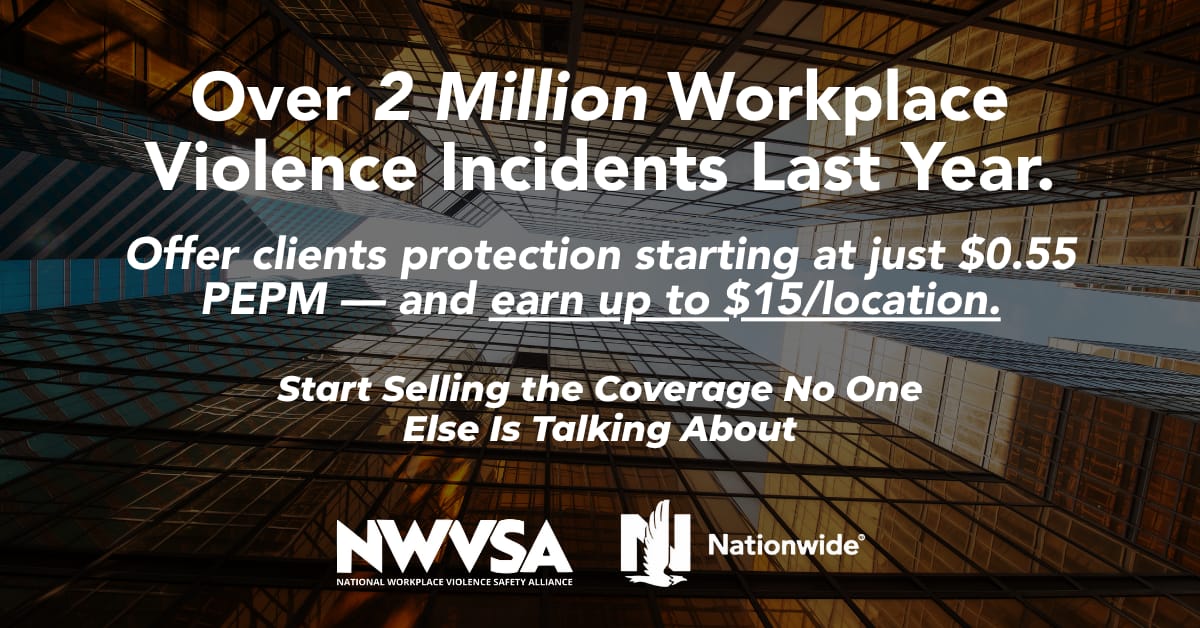
HVBA Poll Question - Please share your insightsWorkplace Violence has become a daily occurrence for millions of victims each year. Do you believe a Workplace Violence insurance policy would be beneficial to companies you know to help care for these victims? |
|
Our last poll results are in!
28.45%
Of the Daily Industry Report readers who participated in our last polling question reported the best grouping that reflects their 2026 business/customer priorities, from High Priority (1) to Low Priority (4) to be: (1) Medical Gap, (2) Hospital Indemnity, (3) Accident, then (4) Critical Illness.
26.57% responded with “Accident” being their top priority, followed by Medical Gap, Critical Illness, and then Hospital Indemnity. 23.73% of survey participants ranked their priorities: (1) Critical Illness, (2) Hospital Indemnity, (3) Accident, and then Medical Gap. The grouping with the lowest votes was (1) Hospital Indemnity, (2) Critical Illness, Medical Gap, and then (4) Accident. This polling question was powered by Zurich.
Have a poll question you’d like to suggest? Let us know!
How healthcare ransomware attacks shifted in 2025
By Heather Landi – Healthcare organizations are facing evolving ransomware tactics as data extortion attacks are on the rise. Cyber attackers are taking advantage of the sensitive data held by healthcare providers to launch quicker and easier attacks, according to Sophos, a cybersecurity software and security services company. Read Full Article...
HVBA Article Summary
Shift from Encryption to Extortion in Ransomware Tactics: The healthcare sector is seeing a notable move from traditional data encryption attacks to extortion-only strategies. In 2025, only 34% of attacks resulted in data encryption — the lowest rate in five years — while extortion-only attacks (without encryption) tripled to 12% compared to earlier years. This reflects a growing attacker focus on the high value and sensitivity of stolen healthcare data.
Improved Defense and Recovery, But Backup Confidence Declines: Healthcare organizations are increasingly stopping ransomware attacks before data encryption occurs and recovering more quickly, with nearly 60% reporting recovery within one week (up from 21%). However, both ransom payments (down to 36%) and backup usage (down to 51%) have declined, suggesting enhanced resistance to attacker demands but possible concerns around the reliability or accessibility of backups.
Economic and Operational Impact of Ransomware Declining: The financial cost of ransomware incidents in healthcare is falling sharply. Ransom demands dropped by 91% (to $343K) and payments fell to the lowest among all sectors at $150K. Recovery costs also dropped 60% from the previous year. At the same time, staffing shortages and known security gaps remain major contributors to attacks, with exploited vulnerabilities now surpassing stolen credentials as the top technical cause.

Americans are buckling under medical bills. It could get worse.
By Amanda Chu - Charities that help people cover their medical bills say they’re seeing an alarming increase in requests for help. Worse yet, they say, it’s coming even before cuts to Medicaid in President Donald Trump’s One Big Beautiful Bill Act take effect and the potential expiration of Obamacare subsidies at year’s end. The charities are warning of exploding medical debt and lower survival rates for diseases like cancer if Congress doesn’t act. Read Full Article…
HVBA Article Summary
Charitable Health Organizations Are Facing Surging Demand and Strained Resources: Nonprofits like the HealthWell Foundation, Colorectal Cancer Alliance, CancerCare, and ThriveWell Cancer Foundation report significant increases in patient requests for financial assistance, primarily due to rising healthcare costs and the potential expiration of enhanced Obamacare subsidies. Many charities are reaching capacity, with some closing applications after just days, raising concerns about their ability to meet demand if economic pressures persist.
Political Disagreements Over Health Care Subsidies Could Impact Millions: The looming expiration of enhanced Affordable Care Act (ACA) subsidies—introduced during the pandemic to reduce premium costs—has prompted debate among lawmakers. While Democrats push to extend the subsidies, Republicans, including former President Trump, support alternative approaches like promoting high-deductible plans and health savings accounts. A failure to extend the subsidies could result in 4 million people losing coverage, according to the Congressional Budget Office.
Broader Affordability Crisis Reflects Rising Costs and Gaps in Coverage: Despite most Americans being insured, many struggle with affordability due to rising deductibles and premiums, often outpacing wage growth. A POLITICO poll shows nearly half of adults are concerned about affording health care in the coming year. While the Trump administration touts efforts to reduce drug prices, critics argue systemic cost drivers remain unaddressed, and inflation has remained relatively steady since 2021, contributing to ongoing financial strain for patients.
CMS proposes significant overhauls to Medicare Advantage star ratings metrics
By Paige Minemyer – The Trump administration is proposing significant changes to the metrics used to the calculate the Medicare Advantage star ratings. As part of the Contract Year 2027 MA and Part D proposed rule, the Centers for Medicare & Medicaid Services has pitched that the Excellent Health Outcomes for All award, known previously as the Health Equity Index award, not be counted toward the 2027 star ratings calculations. Read Full Article...
HVBA Article Summary
Proposed Adjustments to Star Ratings and Quality Measures: CMS is proposing changes to the Medicare Advantage (MA) Star Ratings program, including eliminating a reward system that favored plans serving socially at-risk populations. Instead, it recommends using a historical reward factor to encourage consistent, high-quality performance across all measures. Additionally, CMS plans to remove 12 administrative-focused quality measures by 2027 and introduce a new measure for depression screening and follow-up to address behavioral health care gaps.
Enhancements to Beneficiary Choice and Plan Transparency: A new special enrollment period is proposed, allowing beneficiaries to switch plans if a regular provider leaves their plan’s network—without needing CMS approval of the significance of the network change. CMS also aims to simplify how beneficiaries compare MA plans by focusing the Star Ratings on clinical care and patient experience where performance meaningfully varies.
Request for Feedback to Improve Program Effectiveness: CMS is seeking stakeholder input through multiple requests for information (RFIs). These focus on improving risk adjustment and quality bonus payments, understanding preferences for certain special needs plans (C-SNPs vs. D-SNPs), and exploring ways to better incentivize wellness and nutrition initiatives. The overarching goal is to modernize MA, strengthen competition, and improve care for vulnerable populations.

75% of employers say HR technology is reshaping benefits delivery
By Alan Goforth – Employers are actively responding to changing workforce expectations and the latest technological advances to modernize employee benefits delivery. Three-quarters of employers view HR technology as the biggest driver of changing benefits priorities in their organizations, according to The Future of Benefits Technology, a new report from Mercer Marsh Benefits. Read Full Article... (Subscription required)
HVBA Article Summary
Centralization Is a Strategic Priority: Employers are increasingly adopting centralized benefits platforms to streamline operations, reduce administrative complexity, and improve data utilization. According to the article, 90% of employers have already centralized or plan to centralize their benefits within the year, and 62% intend to consolidate both their benefits technology and brokerage with a single advisor. This movement reflects a broader shift toward creating unified employee experiences and better data integration across systems.
Personalization Addresses Diverse Employee Needs: The push for more personalized benefits is gaining traction as employers recognize the varied needs of a multigenerational workforce. Although 71% of employees feel their benefits experience is relevant, 52% still report unmet needs. The article notes that nearly half of employees want the ability to build their own benefits packages, while 38% seek tailored content based on life events. Employers are encouraged to move beyond one-size-fits-all solutions by offering intuitive platforms with customizable and targeted offerings.
AI Enhances Capabilities but Presents Trust and Integration Challenges: AI integration is rapidly expanding, with half of employers already using it and nearly all planning to implement it soon. The technology supports advanced analytics, personalization, and proactive interventions like early burnout detection. Currently, 58% of employers use AI-generated insights to personalize recommendations, and 56% use them to understand workforce health needs. However, the article cautions that integration complexity, data privacy concerns, and employee skepticism about AI require careful management to ensure trust and regulatory compliance.

What Are the Biggest Mistakes Employers Make When Introducing Digital Mental Health Solutions?
By Marissa Plescia – Employers are recognizing a need to offer comprehensive mental health support for their employees, but engaging them in digital solutions is often a challenge. That’s why, during a panel discussion at the Behavioral Health Tech conference in San Diego, BenefitsPro Editor-in-Chief Paul Wilson posed this question: What are the biggest mistakes employers are making when they’re introducing digital mental health solutions? And how can they avoid these mistakes? Read Full Article...
HVBA Article Summary
Employers Should Base Mental Health Strategies on Internal Data, Not Trends: Erin Young highlighted that many employers, particularly during the Covid-19 pandemic, rushed to implement mental health solutions without first determining if they were suitable for their unique employee populations. Often, these decisions were based on mimicking what competitors were doing rather than on actual workforce needs. She stressed the importance of using internal data to evaluate whether a particular solution will be effectively adopted and whether it targets the right segments of the employee base before investing.
Lack of Awareness Hinders Utilization of Digital Mental Health Tools: Young also noted that the existence of digital mental health tools alone does not guarantee their use. Many employees remain unaware of these resources due to poor communication, lack of visibility, or difficult access. Without proactive promotion and user-friendly design — such as making resources easy to find in both physical and digital environments — even well-intentioned programs will fail to gain traction and have limited impact.
The “One-Size-Fits-All” Digital Front Door Model May Be Flawed: Chris Carey questioned the long-standing concept of a universal "digital front door" in healthcare, arguing that different individuals access care in different ways based on their immediate needs. He used the analogy of people entering a house through different doors to illustrate that patients should be able to enter the healthcare system at any point and be smoothly directed to additional services as needed. The focus should be on building an interconnected, adaptable system rather than relying on a single standardized entry point.
Benefits to beat seasonal depression to implement now
By Paola Peralta – The winter months are some of the hardest weeks to get through, both personally and professionally — the right mix of mental health benefits and proactive strategies from leaders could help. Approximately 5% of U.S. adults experience Seasonal Affective Disorder (SAD), a type of depression linked to seasonal changes and most common in late fall and winter, according to data from the Cleveland Clinic. Read Full Article... (Subscription required)
HVBA Article Summary
Winter Impacts Employee Mental Health and Motivation: During the winter months, 40% of workers report feeling increased anxiety, signaling a broader need for mental health support. The impact is most pronounced among fully in-office employees, with over 60% saying their mental state is negatively affected by commuting during this time. In comparison, 58.8% of hybrid and 45% of fully remote workers report similar struggles, highlighting how environmental factors like darkness and commuting contribute to a seasonal decline in motivation.
Flexible Work Arrangements Can Mitigate Seasonal Stress: Offering greater flexibility — such as remote work days or allowing employees to choose earlier or later work hours — can help combat the mental toll of darker days. For instance, shifting schedules to allow more exposure to daylight or implementing initiatives like Winter Fridays (shortened workdays once or twice a month) gives employees something to look forward to and can alleviate seasonal burnout.
Proactive Wellness and Resource Support Is Essential: Employers are encouraged to provide winter-specific wellness tools, such as sunrise-simulating alarm clocks or improved office lighting, to counteract the negative effects of reduced sunlight. In addition, promoting physical activity like midday walks and reminding employees of existing benefits — including Employee Assistance Programs (EAPs) and in-network mental health providers — ensures that resources are utilized when needed most. As noted, it's often not about introducing new benefits, but about reminding employees what’s already available during a season when they may need it the most.
